Retatrutide vs Tirzepatide
Both are engineered incretin peptides, and both act on more than one receptor — which is what separates them from semaglutide. The difference between them comes down to one additional target.
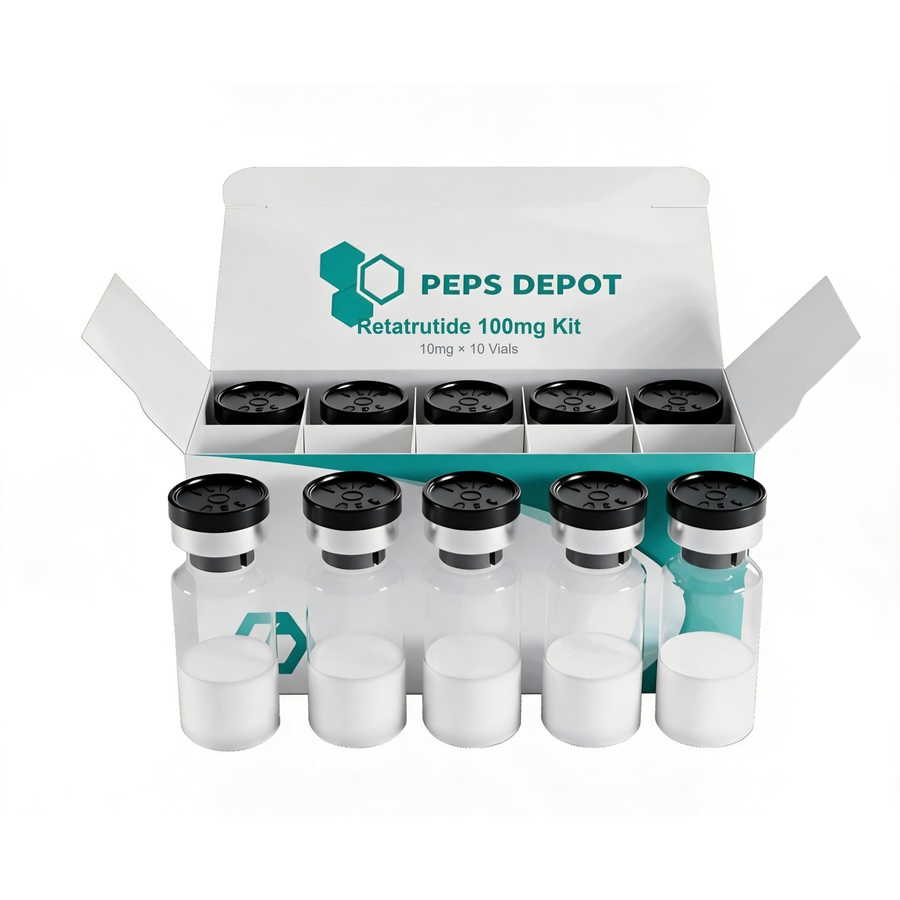
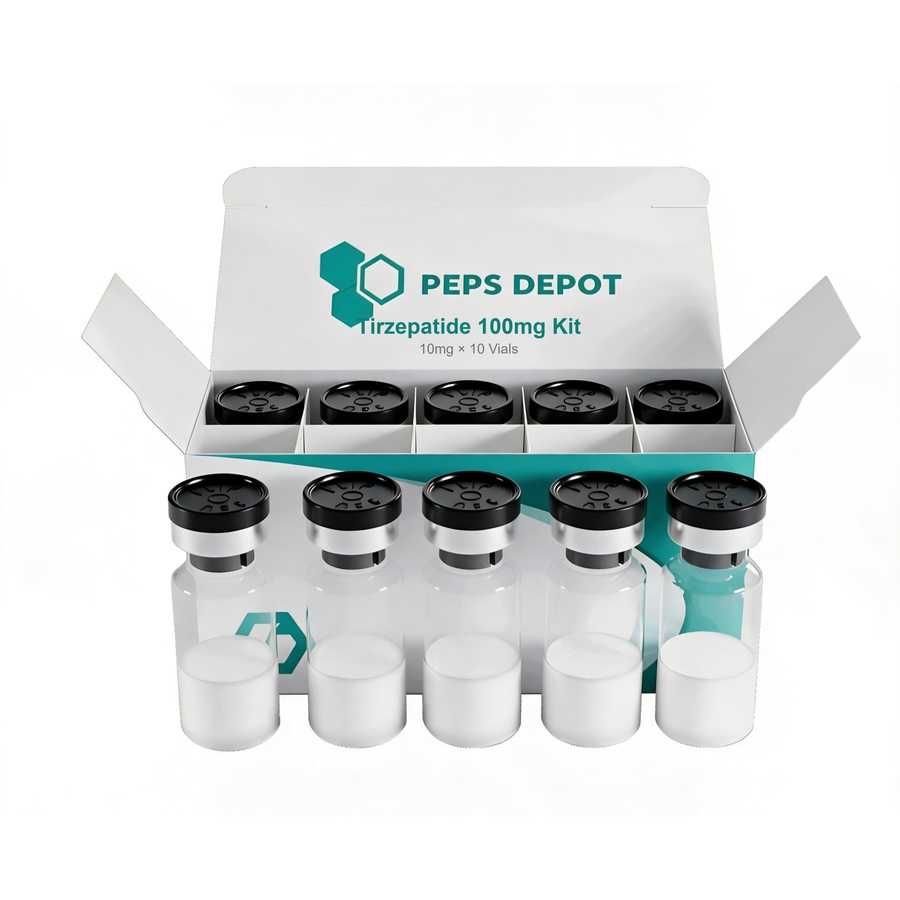
Tirzepatide is a dual agonist, binding the GIP and GLP-1 receptors. Retatrutide adds a third: the glucagon receptor. That third target is the whole distinction, and it is also why the two sit at different stages of clinical development.
Side by side
| Retatrutide | Tirzepatide | |
|---|---|---|
| GLP-1 receptor activity | Yes | Yes |
| GIP receptor activity | Yes | Yes |
| Glucagon receptor activity | Yes | No |
| Number of receptor targets | Three | Two |
| Development stage | Investigational — Phase 2 published, Phase 3 ongoing | Approved as a finished pharmaceutical in several jurisdictions |
| Peptide length | 39 amino acids | 39 amino acids |
| Published human trial data | Phase 2 (obesity, MASLD) | Phase 3 programmes (SURPASS, SURMOUNT) |
| Supplied as | Lyophilized powder | Lyophilized powder and pre-loaded pens |
Choosing between them
Researchers work with retatrutide when
the glucagon-receptor arm is the point of the study. Glucagon agonism is associated in the literature with energy expenditure and hepatic lipid mobilisation — effects the dual agonists do not produce. It is also the compound of interest for anyone tracking where the incretin field is heading.
Researchers work with tirzepatide when
an established evidence base matters more than novelty. Tirzepatide has completed Phase 3 development with published outcomes across both glycaemic and weight endpoints, so it functions as a reference compound in a way retatrutide cannot yet.
Common questions
Is retatrutide stronger than tirzepatide?
Why does the glucagon receptor matter?
Is retatrutide approved anywhere?
This comparison covers structure, receptor targets and development stage — matters of published record. It does not rank the compounds or claim either produces better outcomes. Much of the supporting literature is preclinical. All products are supplied for laboratory research use only.