BPC-157 vs TB-500
These two are frequently mentioned together, which creates the impression they are variants of the same thing. They are not related at all — different origins, different structures, different described mechanisms.
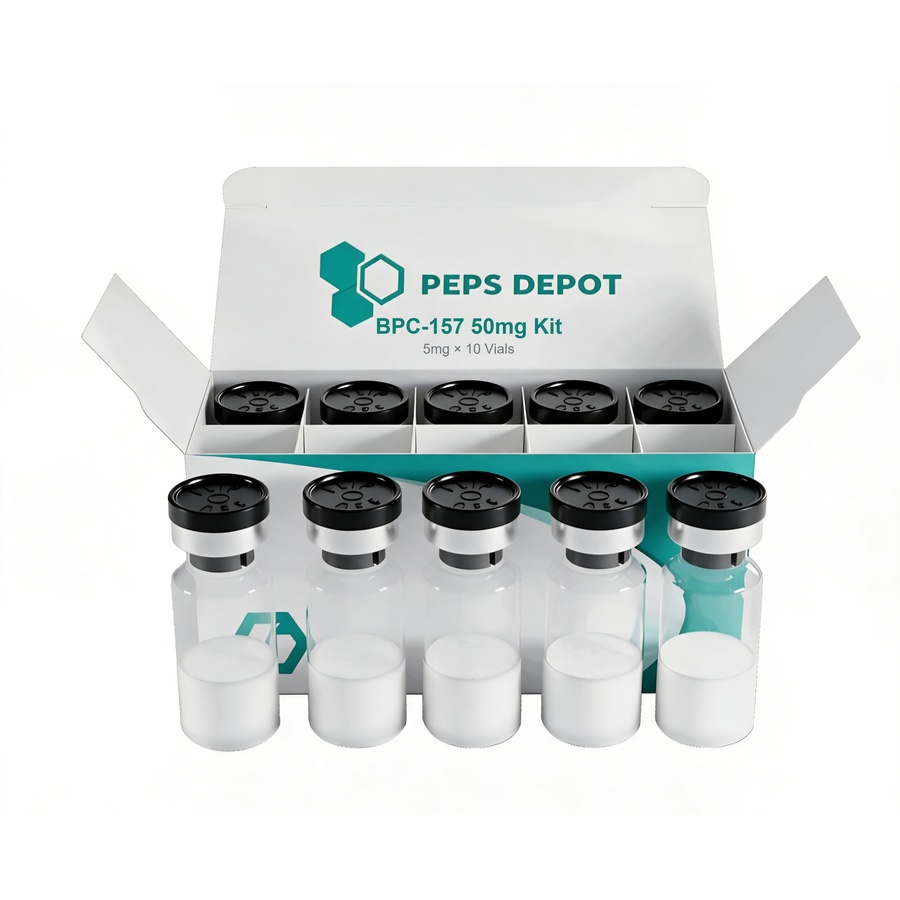
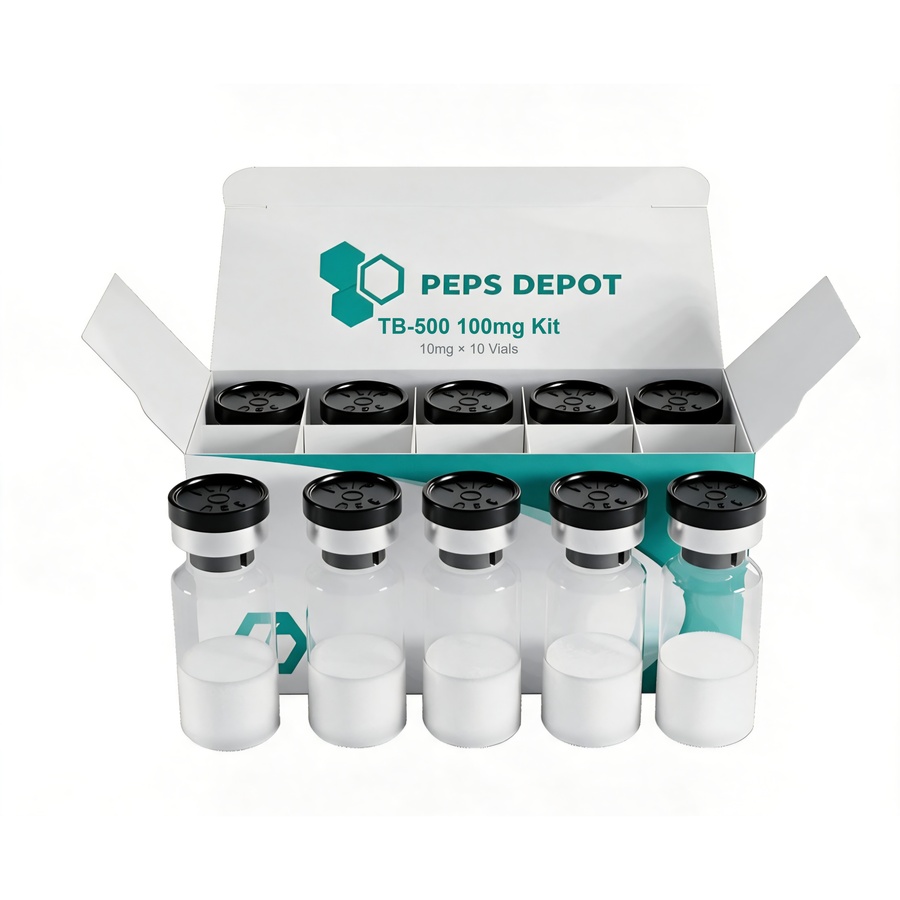
BPC-157 is a synthetic fragment of a protein found in gastric juice. TB-500 reproduces the actin-binding region of thymosin beta-4, an abundant intracellular protein. They appear together because researchers studying tissue repair often look at both, not because they are chemically similar.
Side by side
| BPC-157 | TB-500 | |
|---|---|---|
| Origin | Fragment of a human gastric juice protein | Fragment of thymosin beta-4, an actin-binding protein |
| Length | 15 amino acids | 7 amino acids (active region) |
| Primary described mechanism | Angiogenic signalling, nitric oxide pathway | G-actin sequestration, cell migration |
| Commonly cited marker | VEGFR2 upregulation | Actin cytoskeleton regulation |
| Notable stability property | Stable in acidic/gastric conditions | Small fragment, more stable than parent protein |
| Research literature | Predominantly rodent models | Cell culture and animal models |
| Available as a blend | Yes | Yes |
Choosing between them
Researchers work with BPC-157 when
vascular signalling or gastrointestinal models are the focus. Its stability under acidic conditions is unusual for a peptide of its size and is part of why it became a frequent subject in gut research.
Researchers work with TB-500 when
cell migration is the endpoint being measured. Actin regulation governs how cells change shape and move, so migration assays — endothelial cells, keratinocytes, fibroblasts — are the natural application.
Common questions
Are BPC-157 and TB-500 the same kind of compound?
Why are they sold as a blend?
What is thymosin beta-4?
This comparison covers structure, receptor targets and development stage — matters of published record. It does not rank the compounds or claim either produces better outcomes. Much of the supporting literature is preclinical. All products are supplied for laboratory research use only.